From Dusty Ranches to Desert Horizons: Finding the Perfect Backdrop for Your Mobile Bar Experience
There's something that happens when you set up a beautifully appointed mobile bar in the middle of nowhere spectacular. Guests stop scrolling their phones. They look up. They look around. And then they walk over, curious, and the night begins in earnest. That's the magic of pairing great craft cocktails with a venue that earns a double take.
Mobile bar service was practically made for unconventional spaces. You don't need plumbing, a permanent structure, or a loading dock. You need a compelling location, a little planning, and the right permits. Here's a deep dive into the kinds of venues that make mobile bars shine—and the logistics you need to nail before the first guest arrives.
Working Ranches: Where the Western Theme Lives and Breathes
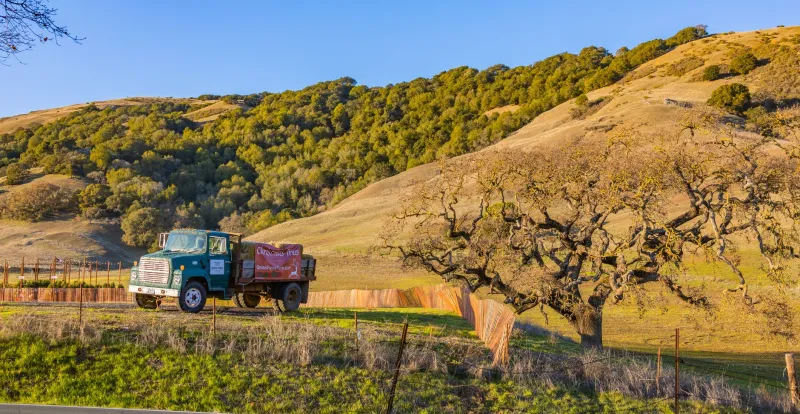
If you want a setting that makes every cocktail feel like it was poured with a story attached, a working ranch is hard to beat. Across states like Montana, Wyoming, Colorado, and Texas, private ranch properties host weddings, corporate retreats, and family reunions with a backdrop that no event hall can replicate: rolling pastures, weathered fence posts, and a sky that goes on forever.
The logistical upside of ranches is that they're often privately owned, which simplifies the permitting process considerably. When you're working with the landowner directly rather than a municipal parks department, conversations about setup, power access, and water hookups tend to move faster. That said, check local county regulations regardless—some rural counties still require temporary event permits or alcohol service licenses even on private property.
Practical note: ranch terrain can be rough. Make sure your mobile bar rig can handle unpaved access roads, and scout the site in advance if at all possible. Nothing derails a wedding faster than a trailer that's stuck in a rut an hour before guests arrive.
Vineyards and Orchards: Built-In Beauty, Built-In Audience
America's wine country isn't limited to Napa anymore. From the Finger Lakes in New York to the Willamette Valley in Oregon, the Texas Hill Country to the rolling hills of Virginia, vineyard events have exploded in popularity—and mobile bars fit right into the aesthetic.
One thing to be aware of: many vineyards have existing liquor licenses and may have restrictions on outside alcohol service. Always clarify this upfront with the venue. In some cases, you can negotiate to serve spirits and cocktails while the vineyard handles its own wine pours. In others, you'll need to work within their license or help the client obtain a special event permit.
The seasonal angle here is significant. Spring and fall are peak vineyard event seasons—harvest festivals in September and October draw huge crowds across wine country. Summer brings heat, so plan your cocktail menu accordingly: think light, citrus-forward builds that hold up in warm weather. Shade structures and misting fans become genuine priorities.
Desert Locations: Drama, Dust, and Unforgettable Sunsets
Something about the desert makes people feel like they've arrived somewhere significant. The stark landscape, the silence, the way the light turns gold right before sunset—it creates an atmosphere that photographs like a dream and feels even better in person.
Arizona, New Mexico, Nevada, and Southern California all offer access to stunning desert event locations, from private land near Sedona's red rocks to the flat alkali flats of the Nevada desert. Events like Burning Man aside, desert venues are increasingly popular for upscale weddings and corporate gatherings that want to feel cinematic without the cliché of a hotel ballroom.
The challenges are real, though. Desert environments are hard on equipment—dust gets into everything, temperatures swing dramatically from afternoon to evening, and wind can be unpredictable. Invest in good covers for your bar setup during setup and breakdown. Plan your ice situation carefully: in extreme heat, you'll burn through it faster than you expect. A dedicated cooler with a reliable supply chain isn't optional in these environments.
Permit requirements in desert regions vary widely. BLM (Bureau of Land Management) land requires specific use permits for commercial events, and lead times can be long—sometimes months. Private desert land is more flexible but still subject to county event ordinances. Start the permit conversation early, always.
Lakeside and Waterfront Properties: Summer's Natural Stage
There's a reason lakeside events book up fast every summer. Water creates atmosphere effortlessly—the light, the reflections, the sound. From the Great Lakes to the Ozarks to the Carolinas' lake districts, waterfront properties are among the most sought-after mobile bar venues in the country.
Boat docks, lakeside pavilions, and open meadows that slope down to the water all offer different setup opportunities. Mobile bars work well near the water's edge where guests naturally congregate, but keep electrical safety in mind—water and power don't mix, and a generator setup near a shoreline needs careful positioning and weatherproofing.
Many lakeside properties are state park adjacent or involve some form of public land access, which typically means additional permit layers. Check with your state's parks and recreation department, and if the event is near a navigable waterway, federal regulations may also apply. It sounds complicated, but it's manageable with enough lead time.
Music Festivals and Open-Air Gatherings: High Volume, High Energy
Festival settings are a different beast entirely. Whether it's a regional country music festival in Tennessee, a bluegrass weekend in Colorado, or a local craft beer and spirits celebration, mobile bars at festivals operate at a pace and scale that requires serious prep.
Licensing at festivals almost always runs through the event organizer, who typically holds a master event permit. Your role is to confirm you're covered under that umbrella or obtain your own temporary alcohol service license, depending on how the event is structured. Talk to your state's alcohol beverage control (ABC) board early—requirements vary significantly from state to state.
From a stocking standpoint, festival crowds reward simplicity and speed. A tight menu of four to six cocktails, all pre-batched where possible, keeps lines moving and quality consistent. This is not the moment for elaborate custom builds—it's the moment for crowd-pleasing classics executed flawlessly.
The Golden Rules of Venue Logistics
Regardless of the specific location, a few universal principles apply:
- Scout before you commit. Photos lie. Visit the site or at minimum get detailed measurements, surface assessments, and utility information.
- Know your permit timeline. In most states, temporary event permits for alcohol service require 30–60 days minimum. Some jurisdictions want 90.
- Plan for power. Most mobile bars need at least one generator circuit. Know your wattage requirements and have a backup plan.
- Communicate with the client about access. Who's responsible for clearing a path to the setup area? What time can you arrive? These details matter enormously.
The most memorable events aren't just about the cocktails—they're about the whole experience. The right venue amplifies everything you pour. Find the spot that makes people stop and stare, handle the logistics with care, and the drinks will take it from there.