How to Craft a Signature Cocktail That People Actually Remember
Anyone can pour a drink. Plenty of people can make a good one. But creating a cocktail that guests describe to their friends three weeks later? That's a different skill set entirely—and it's one worth developing if you're serious about making your mobile bar or event catering service stand out.
Signature cocktails are more than menu items. They're conversation starters, brand extensions, and in the best cases, emotional anchors that tie a guest's memory to a specific moment. The couple who had a smoked rosemary bourbon sour at their wedding will remember it at their fifth anniversary. The company whose holiday party featured a custom spiced pear gin fizz will talk about it at next year's planning meeting.
So how do you get there? Let's break it down.
Start With the Story, Not the Bottle
The most common mistake in designing a signature cocktail is starting with ingredients. The better approach is to start with identity. What is this cocktail supposed to say?
For a brand event, the cocktail should reflect the company's personality. A tech startup launching a new product might want something clean, modern, and slightly unexpected—a cucumber-basil vodka spritz with a hint of activated charcoal, maybe. A heritage leather goods brand throwing a client appreciation dinner wants something that feels timeless and substantial—a barrel-aged Manhattan with a house-smoked garnish.
For weddings, the story is personal. Ask couples about the moment they knew. Ask about the place they love most. Ask what they were drinking the first time they said "I love you." Those answers often contain the seeds of a cocktail concept that no flavor pairing chart could generate on its own.
Once you have the story, the ingredients start to suggest themselves.
The Flavor Triangle: Smoke, Spice, and Citrus
If there's a holy trinity in modern craft cocktail design, it's the interplay of smoke, spice, and citrus. These three flavor profiles create tension and resolution in a glass—the same way a great song has a hook, a bridge, and a chorus.
Smoke adds depth and mystery. It signals complexity before the drink even touches the lips. Mezcal is the most obvious smoke vehicle, but smoked simple syrups, activated charcoal, and garnishes torched tableside can bring smoky notes to spirits that don't naturally carry them. A smoked salt rim on a Margarita transforms the entire perception of the drink.
Spice creates energy. Whether it's the slow heat of jalapeño-infused tequila, the warm bite of ginger beer, or the aromatic complexity of cardamom or cinnamon, spice keeps the palate engaged. It's what makes a cocktail feel alive rather than static. In the American South and Southwest, spice-forward cocktails have been embraced enthusiastically—guests in those regions often welcome heat in their drinks the same way they welcome it in their food.
Citrus is the great equalizer. Fresh lemon and lime juice brighten heavy spirits, cut through sweetness, and add a clean finish that makes people want another sip. Never underestimate the difference between fresh-squeezed and bottled citrus—it's immediately detectable, and it tells guests whether they're dealing with someone who cares or someone who's cutting corners.
A signature cocktail doesn't need all three elements, but the best ones usually play at least two of them against each other.
Local and Seasonal Ingredients: The Shortcut to Authenticity
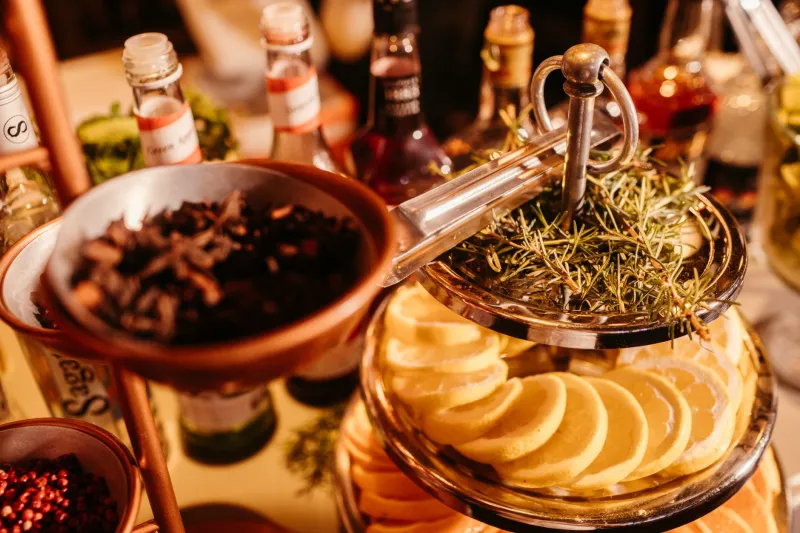
One of the fastest ways to make a cocktail feel genuinely special is to put something local in it. A lavender honey sourced from a farm twenty miles from the venue. A jalapeño from the client's garden. A shrub made from foraged wild blackberries. Local ingredients do something that premium spirits alone cannot: they root a drink in a specific place and time.
Seasonal ingredients operate similarly. A summer cocktail built around fresh peaches from Georgia orchards or a fall drink featuring apple cider from a local press carries a timeliness that makes it feel intentional rather than generic. Guests pick up on this, even if they can't articulate exactly why the drink feels right for the moment.
Building relationships with local farmers markets, small-batch producers, and regional distilleries gives you an ingredient palette that no big-box bar supply company can replicate. It also gives you great stories to tell guests while you're pouring—and in the mobile bar world, the story you tell over the bar is half the experience.
Testing at Scale: The Part Nobody Talks About Enough
Here's the uncomfortable truth about signature cocktail design: the drink that tastes perfect when you make one of it in your kitchen doesn't always taste the same when you're making fifty of them in a row at a loud outdoor event.
Testing at scale is a non-negotiable step that too many bartenders skip. A few things to watch for:
- Citrus oxidizes. Fresh-squeezed juice changes character within a few hours. If you're pre-batching, squeeze as close to service as possible and taste periodically.
- Sweetness perception shifts in heat. A cocktail that tastes balanced at room temperature can seem cloying on a 90-degree afternoon. Adjust your syrup ratios for warm-weather events.
- Batch dilution is tricky. When you pre-batch a stirred or shaken cocktail, you need to account for the dilution that would normally happen during individual preparation. Under-diluted batches taste harsh; over-diluted ones fall flat. The standard approach is to add 15–20% water by volume to stirred cocktail batches before chilling.
- Garnish logistics matter. A cocktail that requires a hand-torched rosemary sprig is beautiful for ten guests. For two hundred, it becomes a bottleneck. Test your full service flow, not just the recipe.
Run a full dress rehearsal with your team before the event. Make the cocktail twenty times in a row under realistic conditions. Identify the friction points and solve them in advance.
When the Cocktail Becomes the Brand
The most successful signature cocktails transcend the event and become part of how a brand or couple is remembered. This happens when the drink is distinctive enough to be described specifically—not just "a good cocktail" but "that smoky mezcal thing with the chili rim" or "the lavender gin drink they served at sunset."
To get there, you need something that surprises without confusing. One unexpected element, executed flawlessly, is almost always more effective than three competing novelties that muddle each other. Keep the concept focused, make the story clear, and let the quality of the ingredients carry the rest.
At Saddle Up Spirits, we believe every great event deserves a drink that's as thoughtfully crafted as the occasion itself. The right signature cocktail doesn't just complement the moment—it becomes part of it.