From Dusty Saloons to Craft Cocktail Culture: The Old West Roots of American Bartending
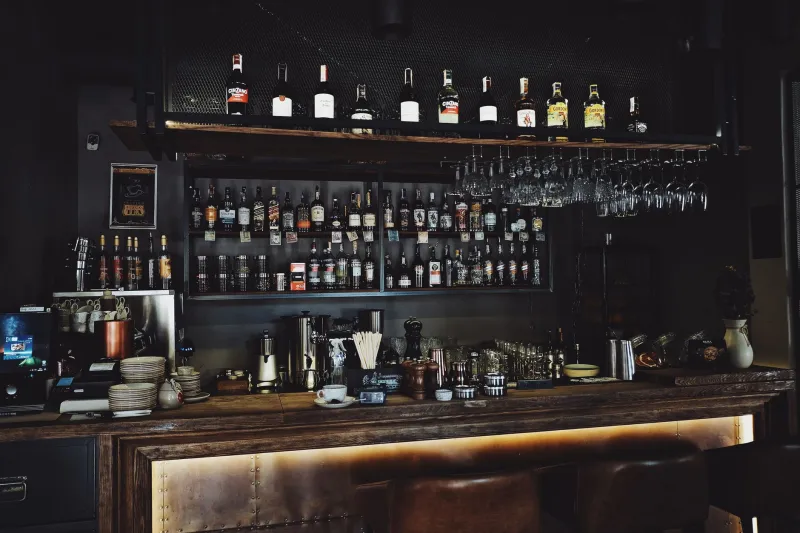
Picture this: a sun-scorched town somewhere in 1870s Kansas. Cattle drovers, railroad workers, and homesteaders push through a pair of swinging doors into the only cool, sociable place for miles. The bartender — part host, part counselor, part local legend — slides a tin cup across a bar worn smooth by a thousand elbows. Whatever's in that cup? It's probably more creative than you'd expect.
We spend a lot of time talking about craft cocktails like they were invented sometime around 2010 in a Brooklyn speakeasy. But the truth is a whole lot more interesting, and a whole lot more Western. The roots of American bartending run deep into the frontier soil, and those dusty old saloons? They were doing something genuinely remarkable.
The Saloon Was More Than a Bar
It's easy to write off the Old West saloon as just a rough-and-tumble drinking hole. Hollywood certainly leaned into that image. But historically, saloons served as the social infrastructure of frontier towns. They were the post office, the hotel lobby, the town hall, and the community center all rolled into one.
In many Western settlements, the saloon was the first permanent structure built — sometimes even before the church. That tells you something about human priorities, sure, but it also tells you how central hospitality was to frontier survival. People needed a place to gather, to share news, to do business, and yes, to unwind after genuinely brutal days of physical labor.
The bartender who ran that space wasn't just pouring shots. He was reading the room, managing conflict, extending credit, and making people feel welcome when the landscape outside was anything but. Sound familiar? That philosophy of genuine, attentive hospitality is exactly what drives great bartending today — mobile bar setups included.
Frontier Mixologists Were More Resourceful Than We Give Them Credit For
Here's something that might surprise you: 19th-century bartenders were mixing some genuinely sophisticated drinks, especially given what they had to work with. Whiskey was the workhorse spirit of the frontier — rye and bourbon made their way west along trade routes — but saloon keepers also worked with brandy, gin, and bitters that traveled surprisingly well.
Some of the cocktail categories we still love today trace directly back to that era. The Whiskey Sour, for instance, was already showing up in American bartending guides by the 1860s. Jerry Thomas — sometimes called the father of American mixology — published The Bar-Tender's Guide in 1862, a collection that drew heavily from the drinking culture of the American frontier and urban saloons of the time. His "Blue Blazer," a dramatic flaming whiskey drink, would honestly go viral on social media today.
Frontier bartenders also had a knack for improvisation. When lemons weren't available, they used vinegar shrubs or citrus preserves. When fancy liqueurs weren't in stock, they infused local herbs and botanicals into base spirits. That improvisational instinct — working with what's on hand, staying curious, and refusing to be boring — is basically the founding philosophy of the modern craft cocktail movement.
Bitters: The Secret Ingredient That Never Left
If there's one thread that connects the frontier bar to the modern craft bar, it's bitters. Aromatic bitters were considered medicinal in the 1800s, which meant they were widely available and socially acceptable even in temperance-leaning communities. Bartenders used them liberally, and for good reason — a few dashes of bitters can transform a simple drink into something complex and layered.
Angostura bitters, still a staple behind every serious bar today, were originally developed in Venezuela in the 1820s and made their way into American cocktail culture shortly after. By the time saloons were flourishing across the Great Plains, bitters were a standard tool of the trade. That's a tradition that never really went away, and craft bartenders today are expanding on it with house-made bitters featuring everything from smoked chili to black walnut.
What Got Lost — and What's Being Found Again
Prohibition, which kicked in nationally in 1920, did enormous damage to American bartending culture. Many skilled bartenders left the country entirely, heading to Cuba, Europe, and beyond. The recipes, techniques, and institutional knowledge built up over decades got scattered or simply forgotten.
When cocktail culture started seriously reviving in the late 1990s and accelerating through the 2000s, a lot of what emerged was actually a rediscovery. Bartenders and historians started digging into pre-Prohibition recipe books, including Thomas's guide and others, and realized there was a whole world of technique and flavor that had been dormant for generations. Shrubs came back. House-made syrups came back. Spirit-forward, properly balanced cocktails came back.
The Western aesthetic that's woven through modern craft bar culture — the reclaimed wood, the tin cups, the whiskey-forward menus, the emphasis on community and storytelling — isn't just decoration. It's an honest nod to where a lot of this actually started.
How Mobile Bars Are Carrying the Tradition Forward
Here's what we find genuinely exciting about the mobile bar movement: it's the most frontier-appropriate way to serve craft cocktails imaginable. The whole point of a mobile setup is bringing the bar to the people, wherever they happen to be gathering. A ranch wedding in the Texas Hill Country. A barn celebration in rural Tennessee. A backyard anniversary party in suburban Colorado.
That's not so different from the traveling bartenders and supply wagons that moved through the frontier, stocking remote outposts with spirits and a little bit of civilization. The spirit — pun absolutely intended — of meeting people where they are, making them feel welcomed and taken care of, is the same impulse that made frontier saloon culture so durable and so beloved.
At Saddle Up Spirits, we think about this connection a lot. When we pull up to an event and start building out a bar setup, we're not just serving drinks. We're creating a gathering point. A place where people relax, connect, and make memories. That's what the saloon always was, stripped of all the mythology.
Raise a Glass to Where We Came From
The next time you sip a well-crafted Old Fashioned or watch a bartender carefully measure bitters into a mixing glass, take a second to appreciate the long lineage behind that drink. There's a frontier bartender somewhere in that cocktail's ancestry — resourceful, hospitable, and deeply committed to making the people around him feel at home.
Western saloon culture didn't just give us cowboy movies and country music. It gave us a template for what great hospitality looks like: unpretentious, community-focused, and genuinely delighted to share a good pour with anyone who walks through the door.
That's a tradition worth keeping alive. Saddle up.