Small Batch, Big Flavor: A Host's Guide to Choosing Craft Distillery Spirits That Actually Impress
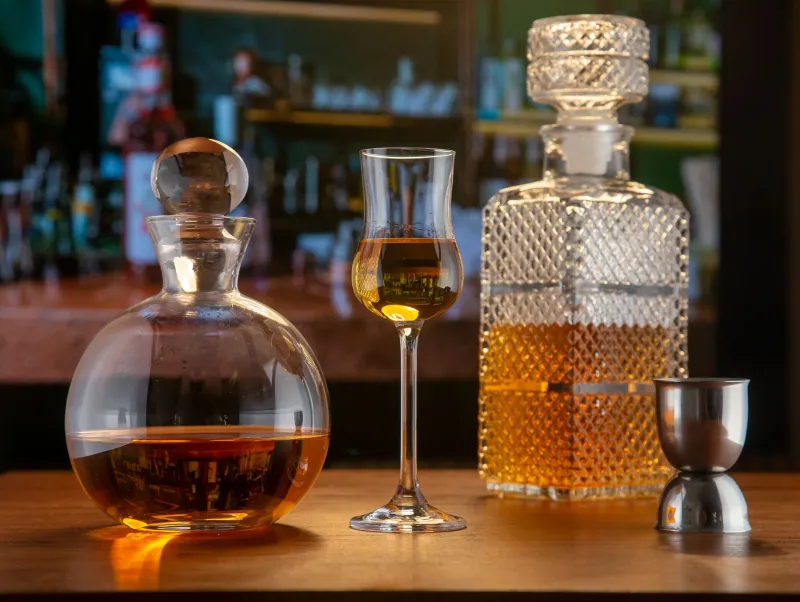
There's a moment at every great event when a guest picks up their drink, takes a sip, and says, "Wait — what is this?" That's the moment you've been working toward. It doesn't happen with a well bourbon from a plastic handle. It happens when the spirit in the glass has a story, a place, and a personality.
That's exactly what the American craft distillery movement has given hosts: options. Real, interesting, regionally rooted options. And for anyone running or booking a mobile bar — especially one with a Western or rustic aesthetic — leaning into small-batch craft spirits isn't just a trend. It's a philosophy.
Why Craft Spirits Belong at Your Next Event
The numbers don't lie. The American Distilling Institute reports there are now more than 2,000 craft distilleries operating across the United States — a figure that would have seemed absurd twenty years ago. These producers are making everything from Colorado mountain rye to Texas Hill Country bourbon to Pacific Northwest aquavit, and the quality coming out of many of these small operations is genuinely remarkable.
For event planners and hosts, that diversity is an opportunity. Instead of defaulting to the same three or four nationally distributed brands everyone recognizes, you can build a spirits selection that reflects where your event is happening, who you're celebrating, and what kind of experience you want guests to walk away with.
And there's a feel-good angle, too. Featuring craft distilleries means supporting small American businesses — often family-owned operations with deep roots in their communities. That's a story worth telling at the bar.
Regional Spirits Worth Knowing By Heart
Here's a breakdown of some of the most compelling craft spirit regions in the country, along with a few standout producers that align beautifully with a Western or rustic event aesthetic.
The Texas Hill Country: Bourbon Country's Younger Sibling
Texas has emerged as one of the most exciting whiskey-producing regions in the country. The combination of extreme temperature swings, limestone-filtered water, and locally grown grain gives Texas whiskeys a distinctive character — often bolder and more intense than their Kentucky counterparts because spirits age faster in the Texas heat.
Worth featuring: Balcones Distilling out of Waco is a pioneer here, producing single malt whiskeys and corn whiskeys with serious depth. Garrison Brothers in Hye, Texas crafts small-batch bourbons that are legitimately world-class. For events in the Lone Star State, these aren't just good choices — they're conversation starters.
The Mountain West: Rye and the Frontier Spirit
Colorado, Montana, and Wyoming have developed a thriving craft spirits scene that leans heavily into the frontier narrative — which couldn't be a better fit for a Western-themed event.
Worth featuring: Laws Whiskey House in Denver produces exceptional rye and bourbon expressions using Colorado-grown grain. Breckenridge Distillery, sitting at over 9,600 feet above sea level, makes a high-altitude bourbon that's approachable and food-friendly. In Montana, Whistling Andy Distillery crafts a range of small-batch spirits that feel like the Rockies in a glass.
The Pacific Northwest: Grain-to-Glass Innovation
Oregon and Washington are home to some of the most experimentally minded craft distillers in the country. Many of these producers take a farm-to-flask approach, working directly with local grain farmers and using estate-grown botanicals.
Worth featuring: Westward Whiskey out of Portland makes an American single malt that's been turning heads in serious spirits circles. Woodinville Whiskey Co. in Washington ages its spirits in a climate that produces elegant, nuanced flavor profiles that pair beautifully with Pacific Northwest cuisine.
The Southwest: Agave and Desert Character
If your event has any connection to the desert Southwest — or if you're simply looking to add depth and smokiness to your cocktail menu — regional agave spirits and mezcal-adjacent products deserve serious consideration.
Worth featuring: Wahaka Mezcal, while rooted in Oaxaca, has strong distribution across the Southwest and represents everything great about artisanal agave production. For something truly local, Tombstone Distillery in Arizona produces spirits that lean directly into the Wild West narrative — the branding alone generates conversation.
How to Pair Regional Spirits with Local Cuisine
Once you've selected your spirits, the next step is thinking about how they interact with the food at your event. A well-matched spirit-and-food pairing elevates both elements.
Texas bourbon + smoked brisket: The caramel and vanilla notes in a well-aged Texas bourbon cut beautifully through the richness of smoked beef. Serve it neat or over a large ice cube alongside the main course.
Mountain rye + charcuterie: Rye whiskey's spicy, dry character pairs naturally with cured meats, aged cheeses, and pickled vegetables. Consider a rye-based Manhattan as the signature cocktail for a charcuterie-heavy spread.
Pacific Northwest single malt + grilled salmon: The grain-forward, slightly fruity character of a Pacific Northwest single malt whiskey is a natural companion to cedar-planked or grilled salmon. It's a pairing that feels distinctly regional.
Mezcal + roasted corn and peppers: Mezcal's smokiness echoes the char on roasted vegetables and grilled corn. A simple mezcal paloma alongside a Southwestern-inspired spread is one of the most satisfying food-and-drink combinations you can put in front of guests.
Building the Selection: A Practical Framework
When curating a craft spirits lineup for an event, think in terms of breadth and depth. You don't need fifteen options — you need the right five or six.
The anchor spirit: One well-known, approachable craft option that gives guests a familiar entry point. Breckenridge Bourbon or Garrison Brothers work well here.
The conversation piece: One unexpected or regionally specific spirit that guests won't have encountered before. This is your story-starter.
The lighter option: Not everyone wants a bold whiskey. A craft gin, a fruit-forward brandy, or a lower-proof amaro gives guests who prefer lighter drinking a quality option.
The agave wildcard: A quality mezcal or tequila-adjacent spirit adds range and appeals to guests who lean toward cocktails over sipping spirits.
The non-alcoholic anchor: Increasingly, thoughtful hosts are including a craft non-alcoholic spirit — brands like Seedlip or Monday Whiskey have made impressive strides — so every guest feels included in the craft experience.
The Takeaway
Choosing craft spirits for your event isn't about showing off — it's about creating an experience that feels intentional and genuine. When guests can taste the place a spirit comes from, when the bottle on the bar has a story behind it, the whole event takes on a different energy.
So next time you're building out a bar program for a celebration, skip the generic liquor store run and spend some time with the small-batch shelf instead. Your guests will notice — and they'll thank you for it.